


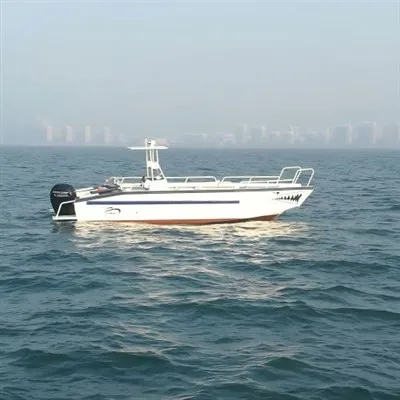


Hey there! I'm working as a supplier of unmanned boats, and I often get asked this question: Can an unmanned boat cause harm to marine life? Well, let's dive right into it and explore this topic together.
First off, let's understand what unmanned boats are. We've got different types, like the Unmanned Sea Vehicle that operates on the water surface and the Unmanned Submersible which goes underwater. These boats are designed for various purposes, such as scientific research, environmental monitoring, and even commercial applications.
Now, when it comes to the potential harm to marine life, there are a few aspects we need to consider. One of the main concerns is the physical impact. Unmanned boats, just like any other vessels, can collide with marine animals. For example, larger unmanned sea vehicles moving at high speeds in areas with a high density of marine life, like dolphin - populated coastal waters or areas with migrating whales, could potentially hit these animals. A collision can cause physical injuries, ranging from minor bruises to life - threatening wounds.
However, most modern unmanned boats are equipped with advanced sensors. These sensors can detect the presence of large objects in the water, including marine animals. For instance, sonar systems can map the underwater environment and identify the location of large creatures. This technology allows the unmanned boat to adjust its course and avoid collisions. So, in a well - designed and properly maintained unmanned boat, the risk of a physical collision is significantly reduced.
Another aspect is the noise pollution. Unmanned boats produce noise, especially those with propellers or engines. Marine animals rely on sound for many vital functions, such as communication, navigation, and finding food. High - frequency noise from unmanned boats can interfere with these functions. Dolphins use echolocation to navigate and hunt, and excessive noise can disrupt their echolocation signals, making it difficult for them to find their way or catch prey.
But again, technology comes to the rescue. Manufacturers are constantly working on reducing the noise levels of unmanned boats. Newer models are designed with quieter propulsion systems. For example, some electric - powered unmanned boats produce much less noise compared to their gasoline - powered counterparts. Also, the placement of components within the boat is optimized to minimize noise transmission into the water.
Chemical pollution is also a concern. If an unmanned boat has a fuel leak or if its batteries are not properly sealed, it can release harmful chemicals into the water. These chemicals can contaminate the marine environment and harm marine life. For example, oil spills from a malfunctioning engine can coat the feathers of seabirds, reducing their ability to fly and stay warm. It can also suffocate small marine organisms and disrupt the food chain.
To address this issue, strict safety and environmental standards are in place for unmanned boat manufacturers. We ensure that all our boats are built with high - quality materials and proper sealing to prevent leaks. Additionally, more and more unmanned boats are switching to clean energy sources like solar power or advanced batteries, which significantly reduce the risk of chemical pollution.
Now, let's talk about the positive side. Unmanned boats can actually help protect marine life. They are often used in scientific research to study marine ecosystems. The Unmanned Underwater Vehicles for Sale can be used to collect data on water quality, the health of coral reefs, and the population of different marine species. This data is crucial for conservation efforts.
For example, by monitoring the water temperature and acidity levels around coral reefs, scientists can predict the onset of coral bleaching events. With this information, conservationists can take proactive measures to protect these important ecosystems. Unmanned boats can also be used to monitor illegal fishing activities. They can patrol large areas of the ocean and detect fishing vessels operating in restricted areas, helping to protect endangered marine species from overfishing.
In terms of the electromagnetic fields generated by unmanned boats, some studies suggest that they could potentially affect the behavior of certain marine animals. Some species, like sharks, are sensitive to electromagnetic fields as they use them for navigation. However, the strength of the electromagnetic fields produced by most unmanned boats is relatively low, and more research is needed to fully understand the long - term effects.


When it comes to the impact on the habitat of marine life, unmanned boats can cause some minor disruptions. For example, the movement of a large unmanned sea vehicle can stir up sediment on the seabed. This can cloud the water, reducing the amount of sunlight that reaches the seagrass beds and coral reefs. Seagrasses need sunlight for photosynthesis, and a reduction in sunlight can lead to their decline.
But these effects are usually localized and short - term. Once the unmanned boat has passed, the sediment will eventually settle, and the water clarity will improve. Also, if the unmanned boat is used in a planned and regulated manner, the impact on the habitat can be minimized. For example, avoiding sensitive areas during the breeding season of marine life.
As a supplier of unmanned boats, we take the environmental impact very seriously. We work closely with scientists and environmentalists to ensure that our products are as environmentally friendly as possible. We conduct regular tests on our boats to measure their noise levels, electromagnetic emissions, and potential for chemical leaks.
We also provide training to our customers on how to operate the unmanned boats in an environmentally responsible way. This includes guidelines on avoiding areas with high marine life density, especially during sensitive times like breeding seasons.
In conclusion, while there are potential risks that an unmanned boat can cause harm to marine life, with the right technology, design, and operating practices, these risks can be effectively managed. In fact, unmanned boats can play a positive role in marine conservation.
If you're interested in purchasing an unmanned boat for your research, commercial, or conservation needs, we're here to help. We offer a wide range of Unmanned Sea Vehicles, Unmanned Submersibles, and Unmanned Underwater Vehicles for Sale. Contact us to start a discussion about your specific requirements, and let's work together to make the most of this amazing technology while protecting our precious marine life.
References
- "Marine Mammal Noise Exposure Criteria: Initial Scientific Recommendations", National Academies Press.
- "The Impact of Noise on Aquatic Life", Marine Pollution Bulletin.
- "Underwater Noise Pollution: A Growing Concern for Marine Ecosystems", Oceanography Journal.