


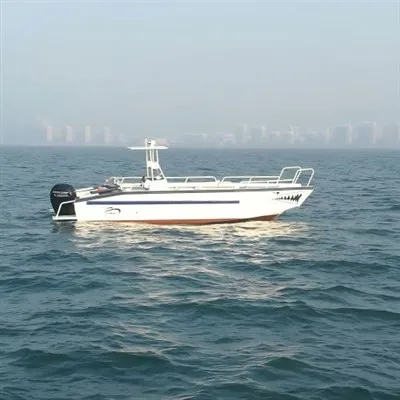


Docking a coastal workboat might seem like a piece of cake at first glance, but trust me, it's got its fair share of challenges. As a supplier of Coastal Workboats, I've seen firsthand how important it is to get the docking process right. In this blog, I'll share some tips and tricks on how to dock a coastal workboat like a pro.
Pre - Docking Preparations
Before you even think about getting close to the dock, there are a few things you need to do. First off, check the weather and tide conditions. Strong winds and high tides can make docking a real headache. You can use local weather services or apps to get up - to - date information.
Next, take a good look at the dock. Is it in good condition? Are there any obstacles like buoys or other boats in the way? Make sure you know the layout of the dock and any specific rules or regulations that apply.
It's also a good idea to have all your docking equipment ready. This includes fenders, which are those big, cushiony things that protect your boat from hitting the dock. Have enough fenders on hand and make sure they're properly secured to the sides of your boat. And don't forget the lines. You'll need ropes to tie your boat to the dock.


Approaching the Dock
When you're approaching the dock, take it slow. There's no need to rush. Use your boat's controls to adjust your speed and direction. If you're in a windy area, you might need to approach at an angle to counteract the wind.
Keep an eye on your distance from the dock. You can use landmarks on the dock or the shore to help you judge how far away you are. If you're using a GPS, it can also give you a good idea of your position.
As you get closer to the dock, start to prepare your lines. Have someone on board ready to throw the lines to the dock workers or to tie them off themselves.
Docking Maneuvers
There are a few different ways to dock a coastal workboat, and the method you choose depends on a few factors, like the size of your boat, the wind, and the layout of the dock.
Parallel Docking: This is one of the most common methods. You approach the dock parallel to it and then slowly move in. Use your engine and rudder to control your speed and position. Once you're close enough, throw your lines to the dock and secure them.
Angled Docking: If the wind or current is strong, an angled approach might be better. You approach the dock at an angle, usually around 30 - 45 degrees. This gives you more control and helps you counteract the wind or current. Once you're close to the dock, straighten out your boat and then tie it off.
Side - Tying: Sometimes, you might need to side - tie your boat to the dock. This is useful when you need to load or unload cargo. Approach the dock slowly and align your boat with the area where you want to tie up. Then, throw your lines to the dock and secure them on both sides of the boat.
Securing the Boat
Once you're at the dock, it's time to secure your boat properly. Start by tying your bow line. This is the rope that goes from the front of your boat to the dock. Make sure it's tight and won't come loose.
Next, tie your stern line. This is the rope at the back of the boat. You might also want to use spring lines. These are ropes that run diagonally from the boat to the dock and help keep the boat in place and prevent it from moving forward or backward.
Check all your lines regularly to make sure they're still secure. If the tide changes or the wind picks up, the tension on the lines might change, so you might need to adjust them.
Post - Docking Checks
After you've docked your boat, do a quick check. Make sure all your equipment is stowed away properly. Check the fenders to make sure they're still in good condition and haven't been damaged.
Also, check the boat for any signs of damage that might have occurred during docking. Look for scratches, dents, or any other issues. If you find any problems, make a note of them and get them fixed as soon as possible.
Why Choose Our Coastal Workboats
As a supplier of Coastal Workboats, we offer a wide range of high - quality boats. Our boats are built with the latest technology and materials, ensuring durability and performance. Whether you need a Tugs and Workboats for towing or Aluminum Work Boats for various coastal tasks, we've got you covered.
Our boats are designed to be easy to handle, which makes docking a lot easier. They also come with all the necessary features and equipment to ensure a safe and efficient docking process.
If you're in the market for a coastal workboat, we'd love to talk to you. Our team of experts can help you choose the right boat for your needs and provide you with all the information you need. We're committed to providing excellent customer service and support. So, if you're interested in purchasing a coastal workboat, don't hesitate to reach out to us. We're here to help you make the best decision for your business.
References
- "Marine Docking Handbook", Maritime Press
- "Coastal Boating Guide", Coastal Publishing Company