


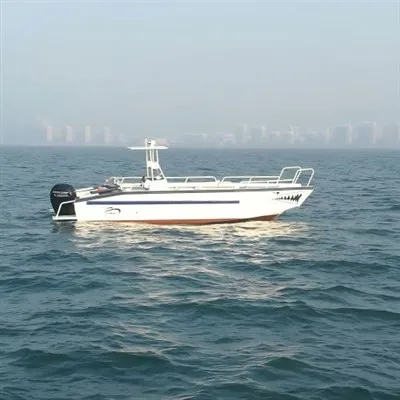


A landing craft is a specialized watercraft designed to transport troops, vehicles, and equipment from a larger vessel or shore to a beach or other landing area. As a landing craft supplier, understanding the draft of a landing craft is crucial for both design and operational purposes. In this blog, we'll delve into what the draft of a landing craft is, its significance, and how it impacts various aspects of landing craft use.


What is Draft?
The draft of a watercraft refers to the vertical distance between the waterline and the lowest point of the vessel's hull. In simpler terms, it's how deep the boat sits in the water. For a landing craft, this measurement is vital as it determines where the craft can operate safely. A shallow draft allows the landing craft to approach beaches and shallow waters without running aground, while a deeper draft may limit its access to certain areas but could offer other advantages such as better stability and load - carrying capacity.
Factors Affecting the Draft of a Landing Craft
- Hull Design: The shape and structure of the hull play a significant role in determining the draft. Flat - bottomed hulls are common in landing craft as they tend to have a relatively shallow draft. This design allows the craft to glide over shallow waters and land smoothly on beaches. For example, some of our Lakeland Leisure Boats feature flat - bottomed hulls, which are ideal for calm, shallow lakes and coastal areas.
- Load Capacity: The amount of weight a landing craft is carrying directly affects its draft. When fully loaded with troops, vehicles, or equipment, the craft will sit lower in the water, increasing its draft. Our engineers carefully calculate the maximum load capacity and the corresponding draft increase to ensure that the landing craft can operate safely under various loading conditions. For instance, if a landing craft is designed to carry a large military vehicle, the draft will be significantly greater when the vehicle is on board compared to when the craft is empty.
- Water Conditions: The density of the water also impacts the draft. Saltwater is denser than freshwater, so a landing craft will float slightly higher in saltwater than in freshwater for the same load. Additionally, waves, tides, and currents can affect the effective draft. In rough seas, the craft may experience dynamic changes in draft as it pitches and rolls.
Significance of Draft in Landing Craft Operations
- Beach Access: One of the primary functions of a landing craft is to reach beaches. A shallow draft is essential for this purpose, as it allows the craft to approach the shoreline without getting stuck on sandbars or shallow reefs. Our Scenic Land Journeys landing craft are designed with a shallow draft to provide easy access to remote beaches for tourism and exploration purposes.
- Shallow Water Navigation: In addition to beach landings, landing craft often need to navigate through shallow rivers, estuaries, and lagoons. A shallow draft enables the craft to travel through these areas safely, opening up a wider range of operational possibilities. This is particularly important for military operations, where troops and equipment may need to be transported to inland locations via waterways.
- Stability and Maneuverability: While a shallow draft is beneficial for beach access and shallow water navigation, it can also affect the stability and maneuverability of the landing craft. A deeper draft generally provides more stability, especially in rough seas. However, it may reduce the craft's ability to turn quickly. Our Island Pilot Boat is designed to strike a balance between draft, stability, and maneuverability, making it suitable for a variety of island - hopping and coastal operations.
Design Considerations Based on Draft
When designing a landing craft, our team takes the draft into account at every stage. We start by defining the intended use of the craft, which helps us determine the optimal draft. For military applications, where rapid beach landings and shallow water navigation are crucial, we focus on minimizing the draft while still ensuring sufficient load - carrying capacity.
We also use advanced computer - aided design (CAD) software to model the hull shape and predict the draft under different conditions. This allows us to make precise adjustments to the design to meet the specific requirements of our clients. For example, if a client needs a landing craft for a particular coastal region with known water depths and beach conditions, we can customize the draft accordingly.
Maintenance and Draft
Proper maintenance of a landing craft is essential to ensure that the draft remains within the designed limits. Over time, the hull may accumulate barnacles, seaweed, and other debris, which can increase the drag and effectively increase the draft. Regular hull cleaning and inspection are necessary to prevent this. We provide our clients with detailed maintenance guidelines to help them keep their landing craft in optimal condition.
Impact of Draft on Cost
The draft of a landing craft can also have an impact on the cost. A landing craft with a very shallow draft may require specialized hull designs and materials, which can increase the manufacturing cost. Additionally, if the craft is designed to carry heavy loads with a relatively shallow draft, more advanced engineering solutions may be needed, further driving up the cost. However, the long - term operational savings from a well - designed landing craft with an appropriate draft can outweigh the initial investment.
Conclusion
Understanding the draft of a landing craft is essential for anyone involved in the design, operation, or procurement of these specialized watercraft. As a landing craft supplier, we take great pride in our ability to design and build landing craft with the optimal draft for a wide range of applications. Whether you're looking for a landing craft for military operations, tourism, or other purposes, we have the expertise and experience to meet your needs.
If you're interested in learning more about our landing craft or would like to discuss a potential procurement, we encourage you to reach out to us. Our team of experts is ready to assist you in finding the perfect landing craft solution for your specific requirements.
References
- Principles of Naval Architecture, Third Edition, edited by David C. Watson
- Marine Technology and Engineering, various issues