


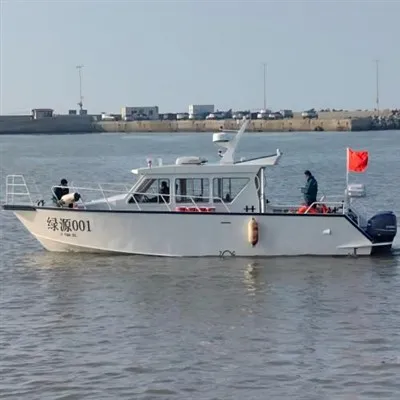

As a provider of scenic spot ships, understanding the maintenance schedule of these vessels is crucial for ensuring their safety, performance, and longevity. In this blog, I will delve into the various aspects of the maintenance schedule for scenic spot ships, highlighting the importance of regular upkeep and the key tasks involved.
1. Pre - Season Maintenance
Before the start of the tourist season, it is essential to conduct a comprehensive pre - season maintenance check. This helps to identify and address any potential issues that could affect the ship's operation during the busy months.
Visual Inspection
The first step is a thorough visual inspection of the ship. This includes checking the hull for any signs of damage, such as cracks, dents, or corrosion. The superstructure, including the deck, cabins, and railings, should also be inspected for wear and tear. Any loose or damaged parts need to be repaired or replaced immediately.
Mechanical Systems
The mechanical systems of the ship, such as the engine, propulsion system, and steering mechanism, must be inspected and serviced. The engine should be checked for proper oil levels, coolant levels, and any signs of leaks. The fuel system should be inspected for blockages or leaks, and the filters should be replaced if necessary. The propulsion system, including the propellers and shafts, should be checked for damage and proper alignment. The steering mechanism should be tested to ensure smooth and accurate operation.


Electrical Systems
The electrical systems on the ship, including the wiring, batteries, and lighting, need to be inspected. Faulty wiring can pose a significant safety hazard, so any damaged or frayed wires should be repaired or replaced. The batteries should be checked for charge and proper functioning, and the lighting fixtures should be tested to ensure they are working correctly.
Safety Equipment
Safety equipment is of utmost importance on a scenic spot ship. Life jackets, life rafts, fire extinguishers, and emergency signaling devices should be inspected to ensure they are in good condition and within their expiration dates. Any damaged or expired safety equipment should be replaced immediately.
2. In - Season Maintenance
During the tourist season, regular in - season maintenance is necessary to keep the ship in optimal condition.
Daily Checks
Before each voyage, a series of daily checks should be carried out. This includes checking the fuel levels, water levels, and the overall condition of the ship. The crew should also inspect the safety equipment to ensure it is readily available and in good working order.
Weekly Inspections
Weekly inspections should focus on the mechanical and electrical systems. The engine should be checked for any abnormal noises or vibrations, and the electrical systems should be monitored for any signs of malfunction. The hull and superstructure should also be inspected for any new damage that may have occurred during the week.
Monthly Maintenance
Monthly maintenance tasks include more in - depth checks of the ship's systems. The engine oil and filters should be changed, and the coolant system should be flushed and refilled. The hydraulic systems, if any, should be inspected for leaks and proper functioning. The ship's paintwork should also be inspected, and any areas that are chipped or peeling should be repainted to prevent corrosion.
3. Off - Season Maintenance
Once the tourist season is over, an extensive off - season maintenance program should be implemented.
Major Overhauls
The off - season is the ideal time for major overhauls of the ship. This may include engine rebuilds, propeller replacements, and major structural repairs. The ship can be taken out of the water for a dry - dock inspection, where the hull can be thoroughly cleaned, inspected for damage, and repaired if necessary.
Interior Refurbishment
During the off - season, the interior of the ship can be refurbished. This may include updating the cabins, replacing worn - out furniture, and improving the overall aesthetics of the ship. This not only enhances the passenger experience but also helps to maintain the value of the vessel.
System Upgrades
The off - season is also a good time to upgrade the ship's systems. This could involve installing new navigation equipment, improving the communication systems, or upgrading the energy - efficiency of the ship. These upgrades can improve the ship's performance and safety.
4. Importance of a Regular Maintenance Schedule
A regular maintenance schedule is essential for several reasons. Firstly, it ensures the safety of the passengers and crew. A well - maintained ship is less likely to experience mechanical failures or other issues that could put lives at risk. Secondly, regular maintenance helps to extend the lifespan of the ship. By addressing small issues before they become major problems, the ship can remain in service for a longer period. Thirdly, a well - maintained ship provides a better passenger experience. Passengers are more likely to enjoy their scenic tour on a ship that is clean, comfortable, and in good working order.
5. Types of Scenic Spot Ships and Their Maintenance Considerations
There are different types of scenic spot ships, each with its own unique maintenance requirements.
Scenic Tours Cruises
Scenic Tours Cruises are often larger vessels that carry a significant number of passengers. These ships require more extensive maintenance due to their size and complexity. The mechanical systems, such as the engines and propulsion systems, need to be carefully monitored and serviced regularly. The interior of the ship, including the cabins and public areas, also requires regular cleaning and upkeep to provide a comfortable experience for the passengers.
Lake Sightseeing Vessel
Lake Sightseeing Vessels operate in relatively calm waters. However, they are still subject to wear and tear. The hull of these vessels may be more prone to damage from debris in the water, so regular hull inspections are necessary. The electrical systems on lake sightseeing vessels should also be protected from moisture, as they are constantly exposed to water.
Coastal Scenic Cruiseliner
Coastal Scenic Cruiseliners face more challenging conditions compared to lake vessels. They are exposed to saltwater, which can cause corrosion. Therefore, the hull and other metal components of these ships need to be protected with anti - corrosion coatings. The navigation systems on coastal cruiseliners are also more critical, as they need to be accurate in open waters.
6. Conclusion and Call to Action
In conclusion, a well - planned maintenance schedule is essential for the safe and efficient operation of scenic spot ships. By following a regular maintenance routine, ship owners can ensure the longevity of their vessels, provide a better experience for passengers, and avoid costly breakdowns.
If you are in the market for a scenic spot ship or need advice on ship maintenance, we are here to help. Our team of experts has extensive experience in providing high - quality scenic spot ships and maintenance services. Contact us today to discuss your requirements and start a procurement negotiation.
References
- Marine Industry Handbook: Maintenance and Repair
- International Maritime Organization (IMO) Guidelines for Ship Maintenance
- American Boat and Yacht Council (ABYC) Standards for Marine Vessels